The real cost of being slow: how much do you lose by delaying a collection launch?
Every week a collection waits for its photos is a week of sales that won’t come back. How to calculate what the delay costs you, where the time goes between garment ready and garment published, and how to shorten it.
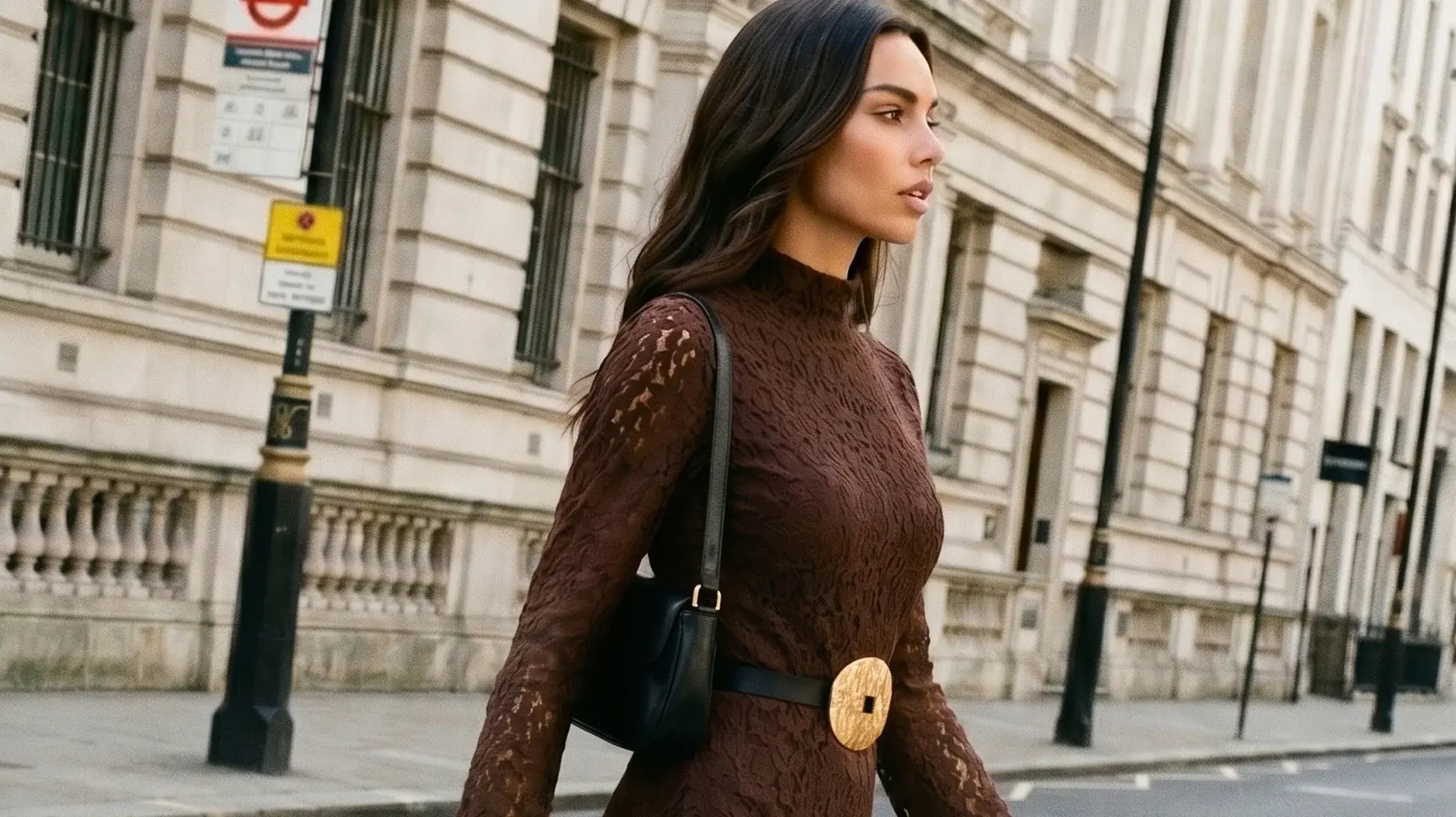
The collection is ready. The garments arrived from the workshop, they’re counted, tagged and loaded into the system. And yet they aren’t for sale, because the photos are missing. Two, three, five weeks go by between garment ready and garment published, and in the meantime the season keeps running.
That delay has a cost, and it’s higher than it looks because nobody measures it. Here’s how to calculate it for your brand.
The simple math
Let’s start with the most direct part: the sales that don’t happen while the collection waits.
Suppose a new collection, once published, sells a certain amount per week on average in its first weeks, which are always the strongest. If the launch slips three weeks, those three weeks of sales aren’t added at the end: they’re lost, because the season ends on the same day as always.
Plug in your own numbers: take what your last collection sold in its first four weeks, divide it by four and multiply it by the weeks of delay you had between “garment ready” and “garment online.” That’s the first number, and for most brands it’s already uncomfortable.
What you lose besides sales
The simple math falls short, because the delay doesn’t just postpone sales: it makes them cheaper.
Markdowns. Whatever doesn’t sell at full price in the season’s strong window sells at a discount at the end. Every week of delay moves garments from the “full price” column to the “sale” column. If your full-price margin is 60% and your clearance margin is 20%, you didn’t lose a sale: you lost two thirds of that sale’s margin.
Idle stock. The collection is already paid for. While it waits for photos, it’s money tied up in a warehouse, and it can’t fund the next one.
Ads that start late. The collection’s ads can’t run without material. And when they finally do, they have fewer weeks to learn and optimize before the season cools off.
The competitor got there first. In fashion, many products are similar across brands. Whoever publishes first gets the search, the impulse buy and the “I already saw it somewhere else.”
The team waiting. Marketing has the calendar ready, sales has the news to share, and everyone is waiting for the same thing: the photos.
Where the time goes
To shorten the delay you have to know where it happens. At a typical brand that outsources or produces with shoots, the circuit looks roughly like this:
- The garment arrives from the workshop or the supplier.
- You wait for the shoot, scheduled for one or two weeks out, because nobody books a shoot for every garment that arrives.
- The shoot happens, a day or two.
- It gets edited, another week, plus a round of changes.
- It’s uploaded to the store, adapting formats for each channel.
Three to five weeks, and each step depends on the previous one. The garment that arrives the day after the shoot starts the circuit all over again.
Notice that the time isn’t spent taking the photo. It’s spent waiting until the photo can be taken. It’s the same problem that shows up in the signs your brand needs to bring its content in-house.
How to shorten it
There are three changes that cut the delay from weeks to days, and they don’t require building your own studio.
Produce as things arrive, not in batches. The “we gather everything and do one shoot” model exists because a shoot is expensive and has to be amortized. If producing a photo stops being expensive, every garment can have its photo the day it arrives. That’s what changes with an AI production platform: you upload simple photos of the garment and generate on-model images, in your brand’s style, in minutes.
Photos, video and ads from the same step. If the product page, the lookbook, the campaign and the ads come from the same place and the same garments, there aren’t three productions in a row: there’s one, and everything comes out together.
Style defined once. Much of the editing and the rounds of changes is about matching the result to “how the brand looks.” If that’s defined in the tool and applied to every image, the round of changes shrinks to reviewing and approving.
With those three changes, the circuit looks like this: the garment arrives, it’s shot simply that same day, the images and videos are produced, approved and published. Days, not weeks. We compare what each model costs in agency vs. in-house team.
Back to the math
Now do the exercise in reverse. Take the weeks of delay from your last launch and calculate what they were worth in full-price sales. Add what went to markdowns because it arrived late. That number, multiplied by the number of launches per year, is what being slow costs.
And it’s almost always much more than what it costs to fix.
What it looks like with Curva
In Curva you upload the photos you already have of your garments, define your brand’s style once, and produce photos and videos of the whole collection ready to publish. The garment that arrives today can be online tomorrow, with no studio, no shoot and no waiting on anyone.
If you have a collection waiting for its photos, start now and try it with your own garments.