What outsourcing your ecommerce content creation really costs
The photographer’s or agency’s quote is only the first line. The costs that don’t show up on the invoice: the hours of coordination, the changes, the missing photos and the weeks of waiting.
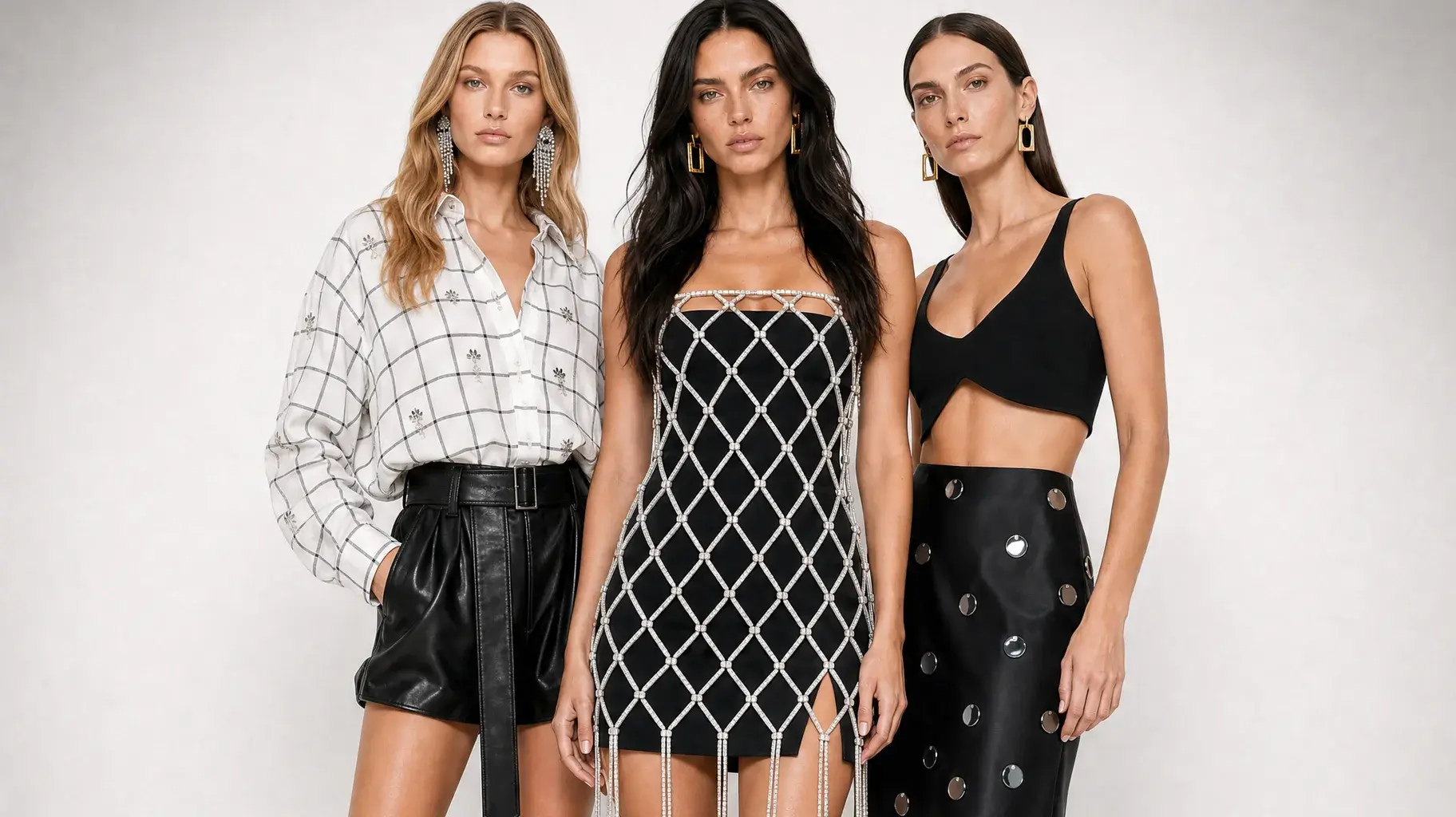
When a clothing brand outsources its photos and videos, it looks at one number: the quote. The shoot costs this much, the agency charges that much per month, and the decision gets made on that. The problem is that this number is only the visible part of the cost. What ends up weighing on the annual bill are the things that aren’t on the invoice, and almost nobody adds them up.
Here’s the full list, with a way to calculate what it’s costing you.
What the invoice does say
A product photoshoot is quoted per day or per number of garments. It covers the photographer, the studio, the model, hair and makeup, and the editing. If you work with an agency, add a monthly management fee.
So far everything is clear and comparable. You ask for three quotes, pick one, done. The issue is what comes after.
What the invoice doesn’t say
1. The hours of coordination
Every shoot starts weeks before: writing the brief, choosing the garments, getting the sample sizes, coordinating schedules, approving the selection, requesting changes. Those are your team’s hours, and not just anyone’s: almost always the owner’s, the product lead’s or the marketing person’s. It’s time they’re not spending on something else.
A useful rule: for every day of shooting, count two to three days of internal work around it. Put an hourly value on it, and you have the first invisible line.
2. Changes and extras
The photo came out with the wrong background. The back shot was missing. The red looks orange. Each of those requests is another round of editing or, worse, a new take. In a per-shoot quote, “one more photo” is never one more photo: it means coordinating all over again.
3. The missing photos
This is the most expensive cost and the least visible. The shoot was on Tuesday; the green variant arrived from the workshop on Thursday. That garment goes on sale without its own photo, with the supplier’s photo, or a phone photo, or doesn’t go on sale at all until the next shoot.
Every product published without a good photo sells less than the rest of the catalog. And every product waiting for the next shoot is idle stock.
4. The weeks of waiting
Between the garment being ready and the photo being online, a typical brand spends three to five weeks. In fashion those weeks can’t be recovered: the season lasts as long as it lasts, and whatever didn’t sell at full price sells at a markdown. We ran the full numbers in the real cost of being slow.
5. Inconsistency
Every shoot, a different photographer, different light, a different model, a different editing approach. After a year, the catalog looks like it belongs to three different brands. That has a real cost in conversion, because a store that looks messy builds less trust, and in time too: someone on your team ends up matching by hand whatever they can.
6. Dependence
If all your capacity to produce content sits outside, every decision goes through someone else’s schedule. You want to test a new ad on Friday: not until next month’s shoot. You want to react to something that happened on social: same. It’s a cost you don’t measure in dollars, but you pay it in missed opportunities.
Let’s do the math
Take a mid-sized brand: four seasons a year plus a couple of drops, about 80 new products per season, three colors on average. That’s more than a thousand product photos a year, not counting lookbook, ads and video.
With external production, each season means several shoot days, plus editing, plus the fee if there’s an agency. Add:
- the internal hours to coordinate each shoot,
- one round of changes per shoot,
- 10% to 20% of products left without a photo in the first batch,
- and three to five weeks of sales pushed back on every launch.
When brands do this full exercise, the real cost usually lands 50% to 100% above the budget they approved. Not because the supplier overcharges, but because the model has friction at every step.
When outsourcing still makes sense
Not everything has to be produced in-house. A big editorial campaign, a shoot that needs a special location, an idea that calls for an outside eye: there a good external partner is worth every dollar, and the cost of coordinating is justified because the pieces are few and highly visible.
The problem is using that same model for everyday content: product pages, photos of each variant, the video for the story, the ad you need to test tomorrow. There the volume is high and the friction multiplies. We compare both paths in agency vs. in-house team.
The alternative: produce in-house without building a studio
Until recently, the only way to get content off the waiting list was to build your own team and studio, which is very expensive. Today there’s a third way: an AI platform that takes simple photos of your garments and produces photos and videos of those same garments worn by models, in your brand’s style.
With that, the six invisible costs shrink or disappear. There’s no shoot to coordinate: the garment that arrived on Thursday has its photo on Thursday. There’s no “one more photo” to quote. Consistency comes on its own, because the style is defined once. And the capacity to produce stays in your team’s hands.
What it looks like with Curva
In Curva you upload the photos you already have of your garments, define your brand’s style once, and produce photos and videos of the whole collection ready to publish: product pages, lookbooks, campaigns and ads. No studio, no shoot and no waiting on anyone’s schedule.
If you’re putting together next season’s content budget, start now and try it with your own garments.